- Enlace Lab tu laboratorio clínico de confianza
- Teléfono: +57 317 331 3803

Understanding the psychological triggers that drive gambling behavior
Technology’s impact on gambling revolutionizing the gaming experience
25 enero, 2026Exploring the excitement of live dealer games in online casinos
25 enero, 2026Understanding the psychological triggers that drive gambling behavior
The Allure of Risk and Reward
At the heart of gambling behavior lies the concept of risk and reward. The thrill of potentially winning large sums of money can create an exhilarating experience that captivates many individuals. This anticipation can trigger the release of dopamine in the brain, a neurotransmitter associated with pleasure and reward. As players engage in gambling, they often find themselves drawn to the excitement found in best online casinos australia, which can overshadow the potential risks involved.
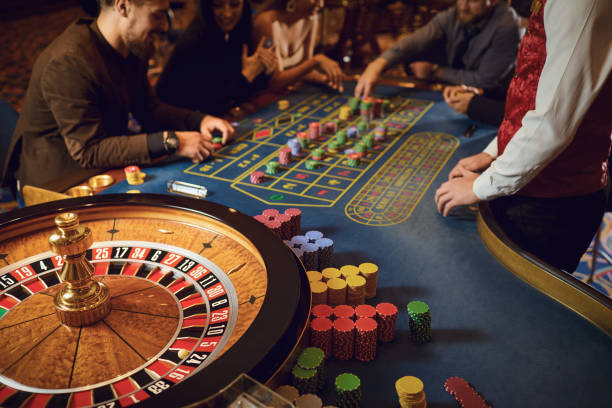
This dopamine release not only reinforces the gambling behavior but also alters one’s perception of risk. Players may begin to believe they are more likely to win than they actually are, leading to continued engagement despite previous losses. The cycle of betting and winning reinforces a sense of invincibility, encouraging further gambling.
The Role of Cognitive Biases
Cognitive biases play a significant role in gambling behavior, influencing how players perceive their chances of winning. Common biases, such as the illusion of control, lead individuals to believe they have more influence over random outcomes than they actually do. This false sense of control can encourage more gambling, as players feel empowered by their perceived skills.
Moreover, the gambler’s fallacy can come into play, where individuals believe that past outcomes influence future results. For instance, a player might think that after a series of losses, a win is more likely, prompting them to gamble more. These cognitive distortions create a feedback loop that can perpetuate gambling behavior, often leading to problematic patterns.
The Social and Environmental Factors
Social influences also contribute significantly to gambling behavior. Individuals often engage in gambling activities within social settings, where the excitement and camaraderie can enhance the experience. This social reinforcement can normalize gambling, making it an attractive option for entertainment among peers.
Furthermore, the environment in which gambling takes place can stimulate behavior. Bright lights, sounds, and the overall ambiance of casinos are designed to create an engaging atmosphere that encourages prolonged play. This sensory stimulation can heighten excitement, drawing players in and making it difficult for them to leave, even when they may have lost considerable amounts.
The Emotional Connection to Gambling
Many individuals turn to gambling as a means of escaping negative emotions or stressors in their lives. The thrill of gambling can temporarily distract from feelings of anxiety, depression, or loneliness. This emotional connection can create a cycle where individuals rely on gambling for relief, reinforcing the behavior over time.
Additionally, the highs associated with winning can create a strong emotional attachment to gambling. Players may chase the euphoric feeling of a win, which can lead to increased betting and even addiction. Understanding this emotional aspect is crucial for addressing problematic gambling behavior and helping individuals seek healthier coping mechanisms.

Explore More on Gambling Behavior
For those interested in diving deeper into the world of gambling behavior, our platform offers a wealth of resources and insights. We aim to provide a comprehensive understanding of the psychological triggers that influence gambling, helping individuals become more informed about their choices.
By examining the underlying factors that drive gambling behavior, we hope to empower players to make more conscious decisions. Whether you are a casual player or someone looking to understand the impact of gambling on your life, our expert insights can guide you toward a healthier approach to gaming.